

Mountain biking has become an increasingly popular recreational activity in recent years, and the demand for high-quality mountain bikes has also grown at a rapid pace. But have you ever wondered about the materials that go into making these bikes? In this article, we'll take a look at the materials used in making mountain bikes and how the industry is staying ahead of the curve.
One of the most important materials used in making mountain bikes is aluminum. Aluminum is a lightweight and durable metal that is commonly used in frame construction. It is easy to work with and can be shaped to fit the specific needs of each individual bike. This allows manufacturers to create bikes with unique shapes and sizes that cater to a broad range of riders. Additionally, aluminum is a sustainable material and can be easily recycled, reducing waste and environmental impact.
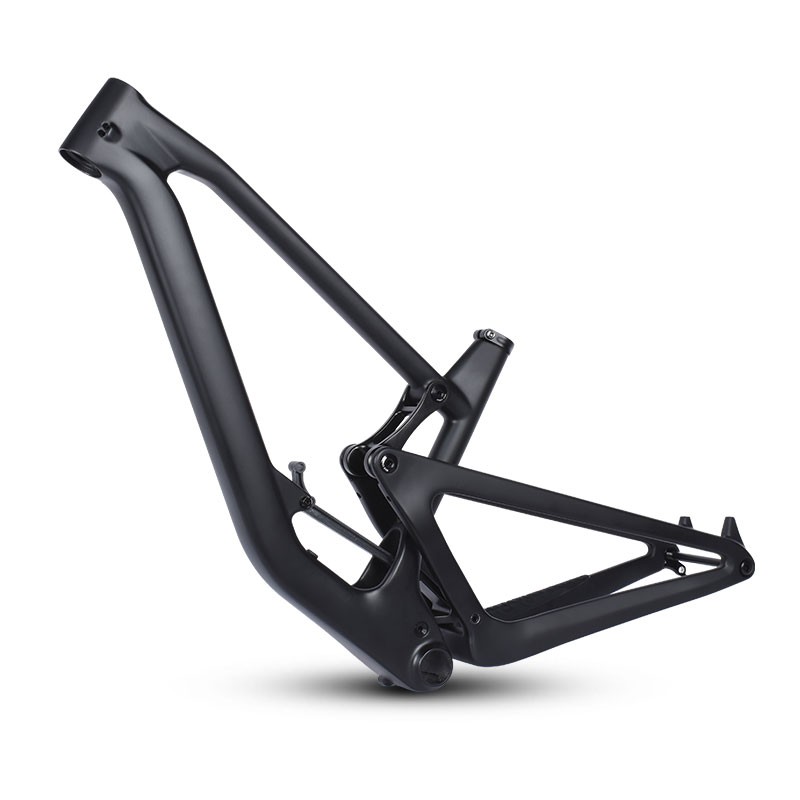
Another popular material used in manufacturing mountain bikes is carbon fiber. Carbon fiber is a high-strength, low-weight material that is ideal for frames, forks, and other components. Carbon fiber is made by weaving together small strands of carbon into a mesh-like pattern, giving it a unique texture and look. This material is perfect for the demand of modern-day bikes that require to be lightweight yet sturdy.
The use of titanium in mountain bikes has gained popularity in recent times. Titanium is a highly durable material that is resistant to both corrosion and fatigue, which makes it ideal for making bike components. Titanium frames offer a smooth ride as compared to other materials. The other plus point of titanium is that it can be designed to be incredibly strong yet still have a small and light frame.
The mountain bike industry is continuously aiming to stay on top of material innovation. There is a constant search underway for materials that are lighter, stronger, and more durable than aluminum, carbon fiber, and titanium. The industry is now making significant progress in the use of composites. These materials are a combination of different materials like carbon, Kevlar, and fiber-reinforced polymers, which make bikes stronger and more flexible while remaining lightweight.
To conclude, the mountain bike industry is an exciting and innovative field right now. The industry is leading the way in developing new materials and manufacturing techniques to make bikes stronger, more efficient, and more comfortable to ride. It is impressive how this industry keeps on advancing with the quality of products it produces, and it is with this positive outlook that the demand for mountain bikes will only continue to grow.