
·Driver’s weight: This is obvious, the greater the weight, the higher the tire pressure required;
·Tire capacity: If the tire is larger, the most suitable tire pressure is lower;
·Terrain: For example, very bumpy dirt roads require lower air pressure to obtain greater cushioning to ensure pedaling efficiency, while rocky terrain requires more air pressure to prevent tire blowouts or frequent laps.
·Rider's physical and technical level: Faster and more aggressive riders need higher tire pressure because they are more vigorous when bending and crushing obstacles. Riders with better skills can have lower air pressure because they can avoid obstacles instead of slamming past.
·Tire structure: Lighter and thinner tires require higher tire pressure than thicker tires.
·Tubeless tyres: Tubeless tyres greatly reduce the chance of puncturing the tire, so the air pressure suitable for use is lower.
·Rim structure: The minimum air pressure of the UST vacuum system can be lower than that of the quasi-tubeless tires modified from ordinary rims. The hookless structure design of the ENVE rim also makes it not easy to leak air under low air pressure.
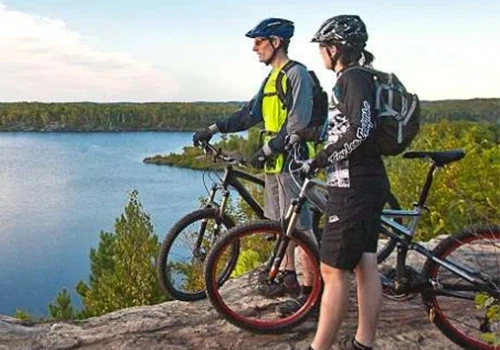
Now that we know the influencing factors of mountain bike tire pressure, let's take a look at how to find the right tire pressure:
For weights in the range of 160-180 pounds (72.5-81.6 kg), use a 26-inch wheel diameter and a tire width of 2.3. In general off-road terrain, the default tire pressure is 35psi. Then adjust according to the following conditions:
Please reduce 5psi for tubeless tires
·The front tire pressure is 2-3 psi less than the rear tire pressure
·When the tire size increases by 0.1 inch, the air pressure decreases by 2 psi; on the contrary, the air pressure increases by 2 psi
·29er, please reduce 3psi, 27.5 reduce 1-2psi
·For every 10 pounds of weight increase or decrease (approximately 4.5 kilograms), please adjust a psi (for example, the weight is 200 pounds, which is 20 pounds more than 180 pounds, so the tire pressure is increased by 2 psi).
·After calculating the result, write down the air pressure recommended by this formula and then test it the next time you ride, paying attention to whether there are frequent bottoming or air leaking "hiccups" when turning and rugged terrain; if so, add air pressure again 3psi.
·If you feel that the wheel bounces repeatedly and is not easy to control, reduce 3psi.