

These questions may seem absurd, but they are actually reasonable. Most people may think that bicycle helmets have no shelf life, but this is far from the truth: bicycle helmets do have a service life, and this service life is determined by many factors
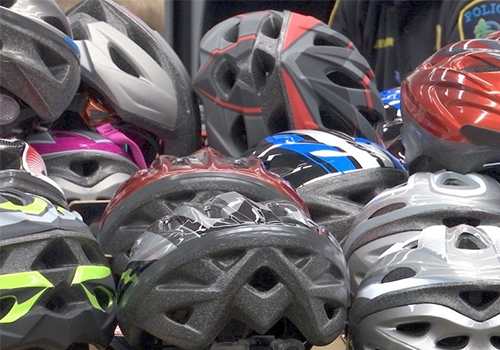
Why do bike helmets expire
The reason is simple: bike helmets are made almost entirely of plastic materials, which often give the illusion of durability. However, these petroleum-based materials also age and their performance deteriorates.
The various parts of a bicycle helmet are mainly made of cork. The so-called cork is actually expanded polystyrene, a sphere that expands and compacts to form a hard structure when under pressure and in contact with water, which effectively absorbs any impact. Therefore, this also means that sweat and moisture will have a significant impact on it. Generally speaking, a complete polystyrene can last about 5 years.
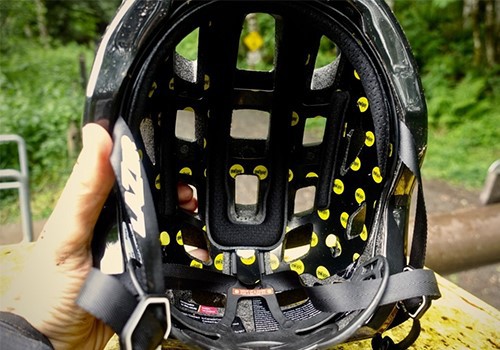
Of course, this also depends on how and how often we use and care for the bicycle helmet. The lifespan of a helmet used once a week and a helmet used every day will naturally be different. But according to major manufacturers, the average lifespan of a helmet is about 5 years.
But judging the life of a helmet by this one material alone is not enough. The outer shell of the helmet is made of molded polycarbonate, which is the hardest and most durable material in a helmet, but high temperatures and continuous use (such as scratches and abrasions) can also cause it to degrade and even loosen the fit with the cork. As a result, the safety of the helmet will also be reduced. The main reason for this degradation is exposure to sunlight, so protecting the helmet from the sun when not in use can extend its life. This is not only to prevent the helmet from fading or paint loss, but also to ensure the performance and safety of the helmet.

Not only that, the straps of the helmet are made of nylon, while the adjustment and fastening parts are made of very hard plastic materials. They also experience degradation. In fact, the straps are constantly in contact with one of the areas of the body that sweats most - the area around the ears, and the salt and acid in the sweat will cause a slight corrosion to the straps over time.
The main reason why bicycle helmets expire
However, the main reason why helmets fail and need to be replaced regularly is impact. When you hear the word "impact", you may think of a violent fall, but this is not the case. This refers to the small impacts that helmets are subjected to during long-term use: falling to the ground from different heights, colliding with other accessories, being hit during transportation, being hit by stones and flying objects, and large or small falls.
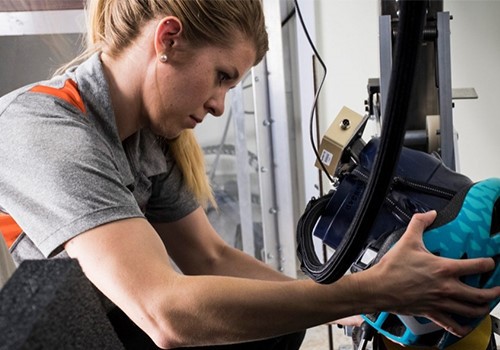
Manufacturers explicitly state that the safest course of action after a fall or impact is to replace the helmet. You might think that of course they say that because they might be trying to sell their product. But trust them this time because impact testing studies in both the company's own lab and external labs confirm this. The helmet is not subjected to just one impact on the impact testing machine. In fact, in order to be certified, the helmet must withstand at least two impact tests at two different points. If the helmet cannot withstand the second impact, then it will not be certified.
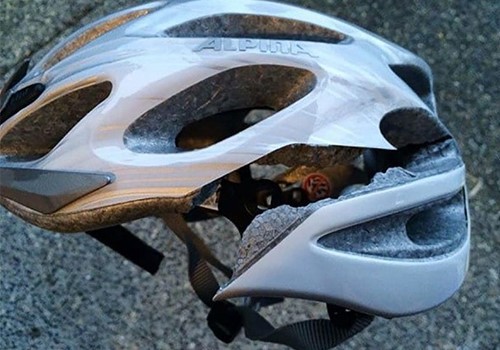
Now, imagine a helmet that has already cracked after a hard fall. When it is hit again, it will not provide you with the expected protection, putting you at risk of serious injury. Don't skimp on safety equipment! It may be the only and most critical element in a cyclist's safety, saving thousands of lives every year. If you doubt the manufacturer's advice, don't blindly follow their recommendation to replace your helmet every 2-3 years. But be sure to listen to the science and don't continue to use a helmet that is decades old, especially one that has cracked or been dropped before. Remember, the price of the helmet you buy today is far less than the safety risk it brings