
What does the future hold for bicycles?
1.The recovery will be characterised by value
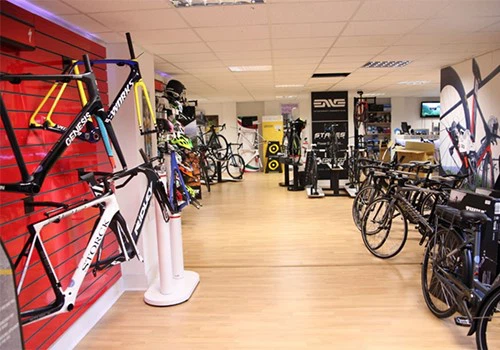
As inventory levels gradually return to normal, dealers and bicycle brands are expected to usher in a new situation in 2025 with a more robust working capital position. Although the current discounts are still large, they are expected to gradually become more reasonable, and profit margins are expected to increase significantly over time. The recovery will be characterized by value rather than volume, driven by electrification. While total sales in Europe and North America are expected to remain flat, overall revenue is expected to grow as electric bikes gain market share. In fact, the bicycle industry's recent growth has been driven almost entirely by the rise of e-bikes. E-bikes typically cost more, are equipped with advanced components such as electric motors and battery technology, and are more complex to mountain bike manufacture.
2.High-speed electric bicycles have growth potential
The rate of adoption of e-bikes is accelerating, even surpassing traditional pedal bikes in some markets. In Germany, for example, e-bikes accounted for only 8% of all bicycle sales in 2011, but this has risen to 53% by 2023. The success of e-bikes in the German market is due to the culture of cycling as a mobility and leisure activity, terrain suitable for e-mountain bike riding, and relatively high purchasing power, as well as government-backed tax incentives that promote employee bike rental programs. Between 2011 and 2023, the average price of a new bicycle in Germany increased 3.6 times, from €495 to €1,788. As bike rental programs continue to take off across Europe, average prices are expected to rise further. A second wave is expected as the benefits of e-bikes become widely recognized and entry prices are expected to decrease. High-speed e-bikes (which can reach a maximum speed of 45 km/h) may become an area with growth potential. High-speed e-bikes are already popular in Belgium and Switzerland, while deregulation in other countries that supports zero-emission commuting could open the market. Several German states, including North Rhine-Westphalia, Hesse and Hamburg, are considering trials of high-speed e-bikes on bike paths.
3.Brand building will become more important
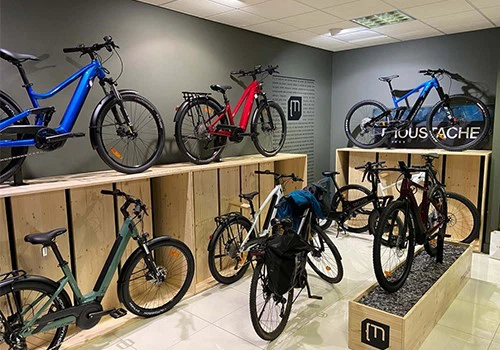
As bicycles become increasingly expensive and complex, brand building will become more important. In the past, consumers only needed to go to the nearby bicycle shop and buy a bicycle based on the recommendation of the store clerk; now, they need to do a lot of research to understand the performance requirements of electric motors, battery life, and new complex factors such as maintenance. More importantly, due to the higher financial investment, consumers need to have greater certainty that the products they buy meet their needs. This means that bicycle companies may invest more money in marketing. The optimization of direct communication channels such as social media, bicycle applications, brand flagship stores and self-operated retail stores will further promote the trend of brand enhancement. Bicycle brands that do well in this regard will stand out from the competition, thereby contributing to the gradual concentration of market share in the industry.
4.Increase overall share in the bicycle market
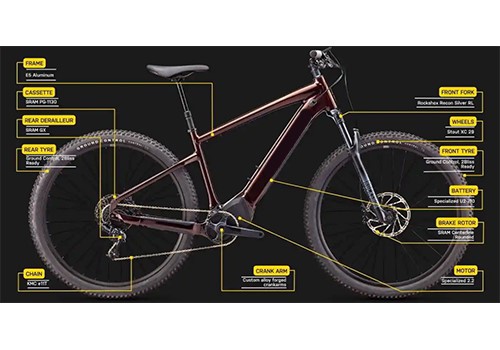
One important strategy to improve profit margins is to increase overall share of the bicycle market. Traditionally, bicycle brands have designed their own frames and selected off-the-shelf components from multiple suppliers. However, some brands have begun to expand their business scope and enter the design or co-production of components to further strengthen their brand image and improve profit margins. For example, Specialized is developing its own electronic drivetrains, Scott is using its Syncros brand to equip many parts of bicycles, and Stromer is working with component suppliers to develop batteries, brakes, wheels, handlebars and stems with its own brand. The focus of components varies by product category and rider type. For example, road and mountain bike riders generally prefer performance-critical components provided by well-known suppliers such as Shimano, SRAM, FOX and RockShox, including brakes, derailleurs and suspension systems, while parts such as stems, seatposts, wheels and forks are relatively less critical and easier for bicycle brands to integrate and produce in-house.
5.Reduce supply chain risks
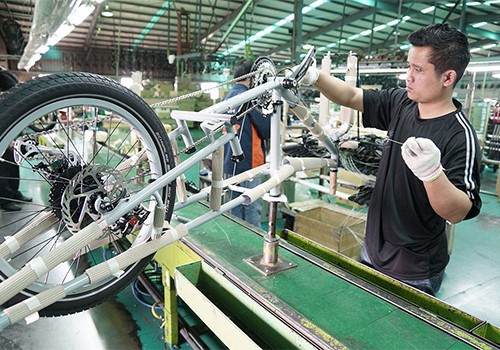
Many mountain bicycle manufactures are reducing supply chain risk by moving manufacturing and service operations closer to home. Specifically, almost all low-end bicycles are made in mainland China, while frames and components for mid-range and high-end models are mostly connected to Taiwan in some way. Bicycle industry players are looking for ways to increase supply chain resilience. As bicycle brands diversify geographically, Asian frame and component manufacturers have flocked to Vietnam and Cambodia to establish production plants to increase flexibility. Manufacturing activity is also increasing in Europe. Triangle and Carbon Team have frame production facilities in Portugal, while Bianchi and Giant have frame factories in Italy and Hungary, respectively. Advanced Technology has manufacturing facilities in Germany, and DT Swiss has added suspension assembly to its Polish production site (previously in Taiwan). The speed of this transition in the future will largely depend on the progress of production automation, which is already at a high level for alloy components and also has a bright future for carbon fiber components.