
What Does OEM Stand for In Mountain Biking?
Introduction
In the world of mountain biking, the term OEM (Original Equipment Manufacturer) plays a significant role, yet it often remains misunderstood or underexplored by many riders and enthusiasts. Understanding OEM is essential for grasping the intricate relationships between manufacturers, brands, and the components that make up your bike. This article will delve into the meaning of OEM, explore its historical background, examine its application in the mountain biking industry, weigh its pros and cons, and consider its future in the ever-evolving cycling landscape.
Definition of OEM
OEM, which stands for Original Equipment Manufacturer, is a term used across various industries, including automotive, electronics, and bicycles, to describe a company that produces parts or equipment that are then marketed by another company. In the context of mountain biking, OEM refers to the components made by manufacturers that are sold to bicycle brands. These brands then assemble the components into complete bikes, which are marketed under their own names. For example, a well-known bike brand may use an OEM to supply drivetrain components, wheels, or suspension systems, which are then built into their branded bikes.
Historical Background of Mountain Bike OEM
The concept of OEM in the mountain biking industry has its roots in the broader manufacturing practices of the late 20th century. Initially, many bicycle companies produced most of their components in-house. However, as the industry grew and technological advancements increased the complexity of components, it became more efficient for companies to specialize. This led to the rise of OEMs, which could focus on specific parts, achieving higher levels of quality and innovation.
In the 1980s and 1990s, as mountain biking surged in popularity, the need for more advanced and specialized components grew. Companies like Shimano and SRAM emerged as leading OEMs, supplying a wide range of parts, from drivetrains to brakes, to numerous bicycle brands. This allowed bike companies to focus on design, branding, and marketing while relying on OEMs for the technical expertise required to produce high-performance components.
OEM in the Mountain Biking Industry
In today's mountain biking industry, OEMs are integral to the production and assembly of bicycles. Most major bike brands do not manufacture every component of their bikes. Instead, they source parts from various OEMs to create a complete bike that meets the specific needs of their target market.
For example, a high-end downhill mountain bike might feature a frame designed by the bike brand, but the drivetrain could be sourced from Shimano, the suspension system from Fox, and the wheels from DT Swiss. These components are produced by their respective OEMs, ensuring that the final product benefits from the expertise and innovation of each specialized manufacturer.
OEM partnerships allow for customization and flexibility. Bike brands can choose the best components from different OEMs to create a bike that meets their performance, weight, and cost objectives. This approach is particularly important in mountain biking, where the demands on equipment are high, and riders seek the best possible performance from their bikes.
Advantages of Mountain Bike OEM
Specialization and Expertise
OEMs often specialize in specific types of components, allowing them to develop deep expertise and continuously innovate within their niche. This leads to higher-quality components that offer better performance, durability, and reliability, which are crucial in mountain biking.
Cost Efficiency
By sourcing components from OEMs, bike brands can reduce production costs. This is because OEMs often operate on a larger scale and can achieve economies of scale that individual bike brands cannot. These cost savings can be passed on to consumers or reinvested into other areas, such as R&D or marketing.
Customization
OEMs provide flexibility for bike brands to mix and match components from different manufacturers, enabling the creation of bikes that are tailored to specific market segments. This is particularly beneficial in mountain biking, where riders often have very specific preferences for components like suspension, drivetrains, and braking systems.
Innovation and Technology Transfer
OEMs are often at the forefront of technological innovation. Their advancements in materials, design, and manufacturing processes can be quickly integrated into new bike models, keeping the industry dynamic and responsive to the latest trends and needs.
Disadvantages of OEM in Mountain Biking
1. Dependence on External Suppliers: Relying on OEMs means that bike brands are dependent on external suppliers for key components. This can lead to supply chain disruptions, especially if an OEM experiences production delays or quality control issues.
2. Lack of Brand Differentiation: Since many bike brands source their components from the same OEM, it can be challenging to differentiate their products. For instance, two competing brands might use the same drivetrain and suspension components, making it harder for consumers to see the differences between the two.
3. Limited Control Over Innovation: While OEM drive innovation in their specialized areas, bike brands may have limited influence over the direction of this innovation. They may need to adapt to the technological advancements made by OEMs rather than having the ability to dictate their specific needs or preferences.
4. Potential for Quality Variability: While OEMs generally produce high-quality components, there can be variability in quality between different OEMs. If a bike brand works with multiple OEMs, ensuring consistent quality across all components can be a challenge.
Future Trends in OEM and Mountain Biking
The future of OEM in the mountain biking industry is likely to be shaped by several key trends:
Increased Collaboration Between Brands and OEMs
As the demand for more integrated and advanced mountain bikes grows, there may be closer collaboration between bike brands and OEMs. This could involve joint R&D efforts, where both parties work together to develop new technologies and components that are better suited to specific bike models.
01
Sustainability and Eco-friendly Manufacturing
With the increasing focus on sustainability, OEMs will likely need to adopt more environmentally friendly manufacturing practices. This could include using recycled materials, reducing waste, and implementing energy-efficient production processes. Bike brands may prioritize working with OEMs that demonstrate a strong commitment to sustainability.
02
Customization and Personalization
The trend toward greater customization and personalization in mountain biking is expected to continue. OEMs may offer more options for bike brands to tailor components to meet specific customer preferences, such as offering different colorways, materials, or performance characteristics.
03
Integration of Smart Technology
As smart technology becomes more prevalent in the cycling industry, OEMs may develop components that integrate advanced electronics, sensors, and connectivity features. This could include things like smart suspension systems, wireless shifting, or integrated power meters, all of which could be seamlessly integrated into bike designs.
04
Global Supply Chain Adaptations
Given recent disruptions in global supply chains, there may be a shift towards more localized production or diversification of suppliers. This would help mitigate risks and ensure a more stable supply of components. OEMs may need to adapt by expanding their operations globally or establishing more robust logistics networks.
05
Conclusion
OEM plays a crucial role in the mountain biking industry, enabling bike brands to leverage the expertise and innovation of specialized manufacturers. While there are clear advantages, such as cost efficiency and access to cutting-edge technology, there are also challenges, including dependency on suppliers and potential quality variability. As the industry evolves, OEMs will likely continue to be key players, driving innovation and helping to shape the future of mountain biking. Understanding the dynamics of OEM in this context is essential for anyone involved in the sport, whether as a rider, manufacturer, or industry professional.
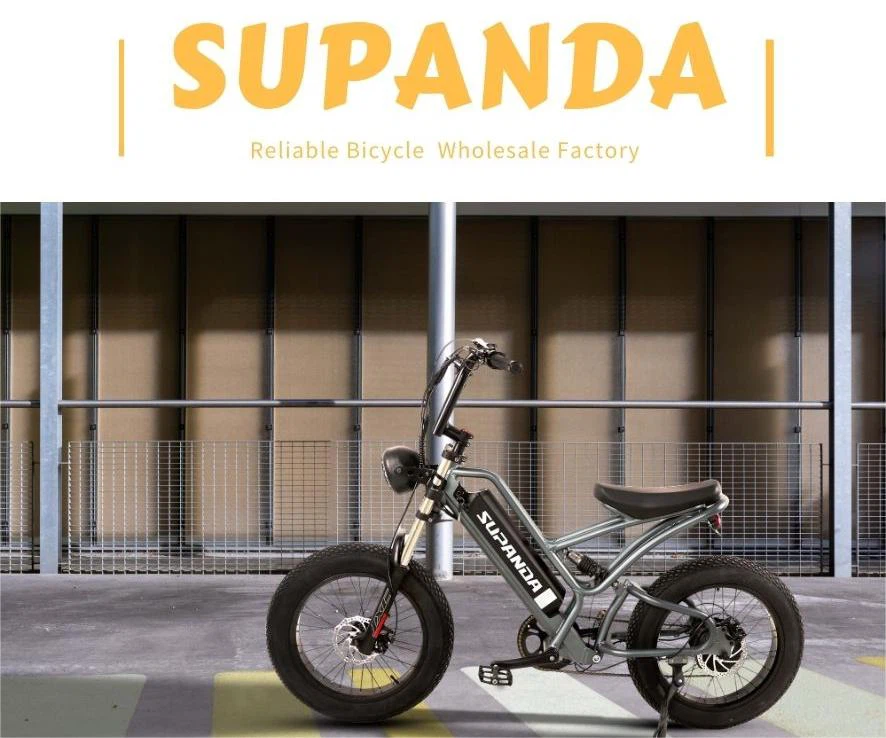
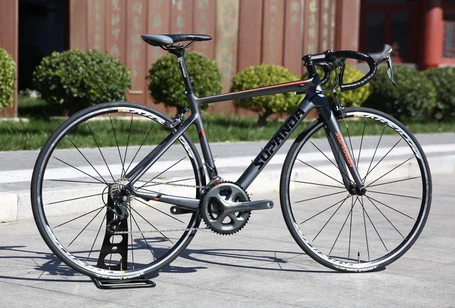
As a mature bicycle manufacturing factory, Tianjin Panda Group supports mountain bike OEM services and provides OEM services for bicycle brands in its rapid development stage. In addition, Tianjin Panda Group also has its own brand SUPANDA, providing bicycle dealers and wholesalers with stable quality bicycle products, so that more cycling enthusiasts can experience the joy of smart cycling.