
Choosing the right mountain bike for your needs is crucial if you want to have the most fun in the mountains, but finding the right bike in a crowded market can be a minefield. Fear not, because our Mountain Bike Buying Guide will walk you through everything you need to choose the best machine for your riding style within your budget.
Full-suspension bikes are more comfortable on rough roads, and if you want to conquer more technical trails and experience more features, then full-suspension models are optional. However, it is best to understand the rear suspension system of the full suspension model before buying, such as its settings.
how much travel do i need?
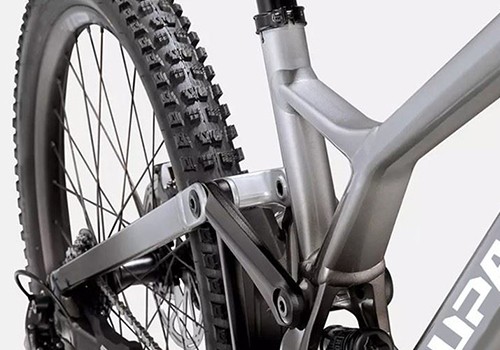
Less suspension travel generally means lighter, faster uphill rides, and more travel means better downhill capability. If you're new to mountain biking and want to try it all, a mid-range trail bike is the best all-rounder.
Generally speaking, manufacturers will position models according to the length of the shock absorber stroke. For example, the 60-110mm stroke is suitable for XC, which has the advantage of flexibility and lightness. 110-130mm is suitable for heavy-duty XC or forest road off-road, it can conquer some small drops, and it is more interesting than XC. 130-160mm positioning trail (Trail) or all-terrain (AM), can conquer more technical routes, can be up or down. 160-180mm positioning ENDURO (endurance bike), strong downhill ability, although some pedaling efficiency will be sacrificed, but it can also be climbed. 180-200mm positioning downhill bike (DH), designed for downhill.
What size wheels should I choose?
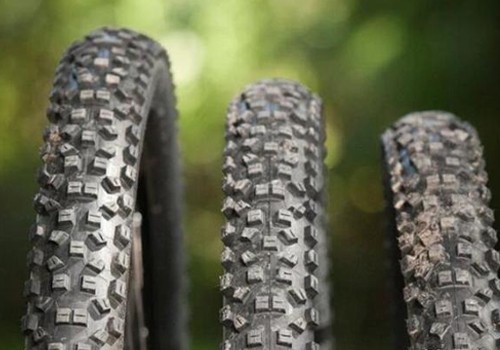
For a long time, 26-inch mountain bike wheel sets were standard, but have now been phased out in favor of larger rims.
Almost all new cars these days come with 27.5-inch (also known as 650b) or 29-inch wheels. Larger wheel diameters have stronger passability and greater traction, but the disadvantages are that larger wheels accelerate slower, have poor cornering flexibility, and require height. If tight, twisty and steep trails are your thing, the 650b is probably better.
However, there is also a compromise solution, that is, a mixed wheel diameter, that is, a 29-inch front wheel and a 27.5-inch rear wheel. This is also a new combination of many brand new cars in recent years. It ensures the passability of the front wheels and the flexibility of the rear wheels.
What material is used for the frame?
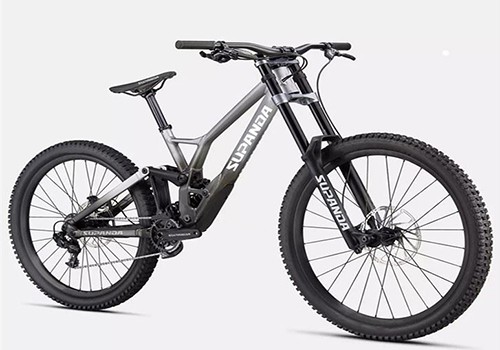
The mainstream mountain bike frame materials are aluminum, steel, titanium and carbon fiber. Aluminum is the most commonly used frame material for mountain bikes because of its good balance of strength, weight, and cost. Steel is the choice of smaller boutique brands because it can achieve the same strength as aluminum with thinner walls and smaller diameter tubes, a material especially suited for hardtails.
Titanium alloys should have no obvious disadvantages except that they are expensive. Carbon fiber is currently the most used bicycle material besides aluminum alloy, because carbon fiber can control the shape and riding characteristics of the frame at will, as well as create an incredibly light and strong frame, which is very popular in light weight. Class XC cars welcome. However, a cheaper carbon fiber bike will have a much lower configuration than an aluminum frame bike at the same price.