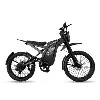

You've got to love that cute mountain bike of yours, but it's not going to break down forever. This article brings you some tips and tricks for prevention and diagnosis, as well as advice on when maintenance is required.
Clean and Lubricate Your Drivetrain
A bike's drivetrain is made up of countless small parts that serve different purposes, but whether it's chainrings, chainrings, or cables, they all need to work together. While this all seems complicated, there is one very simple thing you can do to make it work: keep it clean and lubricated.
Any grit and dirt that sticks to your drivetrain, like sandpaper, will slowly cause wear and damage your chain in particular. Depending on where and how you ride, the rate of wear can be surprisingly fast. But all it takes is a rag sprayed with cleaner, an old toothbrush, and a few minutes. A little cleaning after every two or three rides and relubrication of your chain will do.
If you want less hassle, consider using a chain washer. Chain washers are usually very inexpensive and work with a cleaning agent to remove grit from the crevices of the chain. Don't put too much oil when lubricating the chain, just a drop of lubricating oil on each link is perfect.
Correctly Set Tire Pressure
Tubeless tires, which are common on mid-to-high-end mountain bikes, are a more reliable system than traditional clinchers. However, since air can still leak from many places, including directly through the sidewall, it's always best practice to check your tire pressure before every ride.
Tire pressure has a huge impact on bike performance. Too low air pressure and the sidewalls will flex and fold when cornering, making handling feel vague and unpredictable, and off-roading it can puncture your tire or even destroy your rim. If the air pressure is too high, the rubber in the tire will not be able to adapt to the road conditions and stick to the ground, which will reduce the grip and control of the tire.
The difference between air pressure that is too high and too low can be as small as a few PSI. A tire pressure gauge is essential for mountain bikers.
Set Up Your Suspension
These days, mountain bike suspension structures are getting more and more complex, and it can be overwhelming to adjust. It doesn't matter how expensive or complicated your fork and shock are if your suspension isn't set up correctly. Whether you run air or oil springs, heavier riders will need to set their suspension stiffer than lighter riders. If it is not set properly, too soft or too hard, your bike will not be able to play its due performance, no matter your bike price is thousands or tens of thousands, please don't forget to set your suspension correctly.
Thankfully, most forks have an air pressure chart sticker on the back of the fork leg that can be used as a good reference. For shocks, check the manufacturer's website or manual for recommended settings. If you choose air shock absorbers, you need to use high-pressure air cylinders when adjusting.
Listen to Your Bike
Everyone's bike squeaks at some point, and you can identify and fix the problem before it gets worse. If the squeaking goes away when you stand up to pedal, the problem is likely to be with your seatpost or saddle; if the sound persists, you may need to check your bottom bracket and headset. In addition, the chain screws, pedal threads and cranks can also be sources of noise. Check by checking the screws first and removing what appears to be the source of the noise one part at a time to make sure it's clean and properly greased.
Squeaks on the front of your bike tend to come from the handlebars, stems and headsets. You can stand on the front of the bike, clamp the wheel between your legs, and give the handlebar a hard twist to see if it makes any noise. If so, first make sure the screws are tightened to the correct torque. A thin layer of grease can be applied to the screw threads during installation to help ensure that they are tightened smoothly.
Use the Internet to Solve Problems
Whether it's a stiff shifting feel or sluggish shifting, your bike is telling you that it needs tuning and maintenance. There are many instructional videos online these days that show you how to fix all kinds of things.
When you really need to learn, please first check the official website of the component to see their instructions and suggestions. Then move on to other advice.
Don't be Afraid to Go to the Bike Shop
For many socially-phobic cyclists, bike shops can be daunting. But they usually have a wealth of knowledge that might help with a problem you're having. Even if you didn't buy your bike from them, they'll be more than happy to give you any tools you need and maybe give you some guidance, or you can activate the "cash power" and pay a technician directly to fix it.