
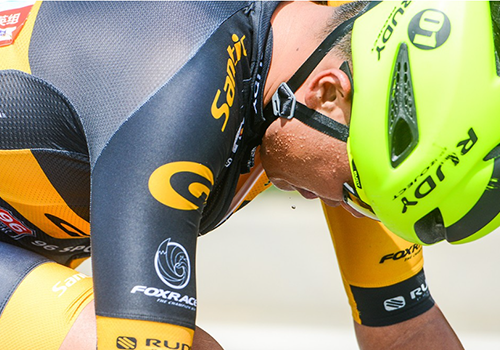
Hot conditions can have a serious impact on your endurance performance. When the outside temperature is high, your core temperature can rocket upward. This forces your body to activate the fire alarm and prioritize self-cooling. Because the body prioritizes blood to the skin for thermoregulation, fewer resources are allocated to working muscles and oxygen. This allocation can lead to a significant decrease in athletic performance and less efficient riding. The longer you stay in the heat, the more these physiological effects will spread like a virus.
Exercising in the heat also uses a lot of energy. It can make you feel an extreme spike in exercise intensity, exacerbating discomfort and enhancing fatigue. Adding these psychological effects to the physiological ones poses quite a challenge. Fortunately, you can improve your performance by adapting to the heat and mitigate its adverse effects with additional preparation. Follow this tips to adjust your body when you are riding mountain bikes.
How to Prepare for Summer Riding
The heat rolls in on a hot summer day. Heat training, commonly referred to as heat acclimation, is the process by which your body gradually adapts to repeated increases in core body temperature. Your body is like a work of art that requires time and patience to sculpt in order to blossom in this hot environment. Over time, your body will gradually adapt to the heat by increasing your plasma so that you can become stronger and more efficient in the heat.
Adaptation to the heat can take as little as ten days or as long as fourteen days. You can acclimate to the heat by gradually being exposed to higher outside temperatures during your training. High temperatures can be a tough challenge for the body. Like a sly fox, it brings more stress and, therefore, it increases your fatigue. It is best to start your training with easy and simple exercises.
If you live in a hot place or train in a hot place, adapting to the heat can actually be part of your training routine. If not, you can integrate heat training into your training program by completing your aerobic endurance training in a hot environment.
Even after acclimating to the weather, riding in the heat can still be a daunting challenge. In this hot arena, you must hold on to any small advantage. These tips and tricks will help you take full advantage of the weather as you ride in the hot sun, giving you all you need to succeed.
1. Avoid dehydration
The weather can have a significant impact on your hydration and electrolyte needs during exercise. Staying well hydrated during your ride will help ensure that your thermoregulatory system is functioning at its best. To cope with the heat, you need to have a rehydration plan in place before your ride and take in a little extra water and electrolytes. Drinking a bottle of water every hour during the ride is a good benchmark. However, depending on how much you sweat and how hot it is, you may be drinking two bottles of water every 90 minutes. If you sometimes forget to drink during a ride, don't worry, set a reminder device on your head, watch or phone to remind you to drink a bottle of water every hour. Such a habit can be a good benchmark for your ride. Don't forget to add electrolytes to your drink!
2. Bring a frozen water bottle or stocking stuffed with ice
Sometimes a brief cool, cold touch, like love, is gentle and lingering, and it can help keep you refreshed on a long, hot day. For many athletes, a frozen bottle or ice-filled nylon stocking is a good choice. That icy embrace is as intoxicating as a lover's hug. Some athletes like to tuck ice-filled nylon stockings into the back of their cycling jerseys. It brings a touch of coolness and some relief on these hot summer days.
If you don't like ice on your back, freezing your water bottle is an alternative way to carry cool items while you ride. If you have a frozen water bottle in your cycling jersey, it can provide the same relief as the power of love that you feel every second of your ride.
3. Pour water on yourself
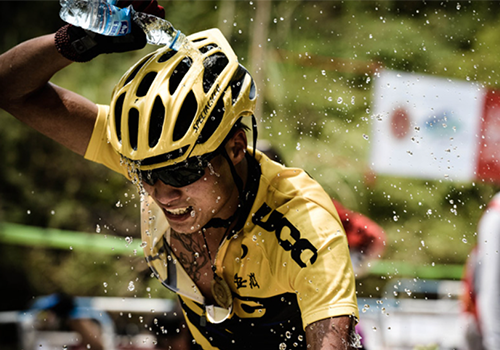
Have you ever felt like dough in the oven during a race or a ride? Then you can splash a bottle of cold water on your back, neck or legs to temporarily relieve the heat and help you regulate your body temperature like a fountain of fresh water.
If you are participating in a race, you can prepare two water bottles in the supply area, one with clear water and the other with tonic, like your secret weapon, to provide you with strength at any time.
Of course, if you try this method in training or competition, be prepared. In hot weather, splashing ice water on yourself may give you a bit of a thrill. But remember, don't splash water on your head or face, or sweat may get into your eyes and cause discomfort.
Pouring cold water to relieve the heat is a simple and practical method, but it needs to be done in a safe manner. While enjoying the coolness, you should also pay attention to the road conditions and be careful to ensure that you reach the finish line safely.
4. Wear light-colored and breathable cycling clothes with good sun protection
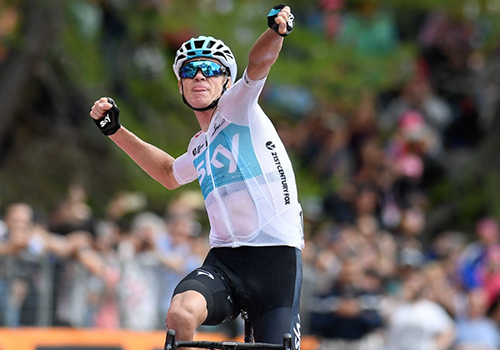
In this summer heat, change your favorite all-black sports equipment to snow-like white cycling clothes, which will bring you a refreshing and comfortable feeling like never before. Dark clothing is like a dark night, absorbing endless heat, while light clothing is like a bright moonlight, shedding coolness and peace.
If you are participating in a race and your team jersey is dark in color, then perhaps you are not as relaxed as the lucky ones who are wearing light colored cycling jerseys.
In addition to wearing light sports gear in that warm sunshine, always remember to apply sunscreen to protect your skin. Sunburn can weaken your body's ability to cool itself, aggravate illnesses caused by sun exposure, and exacerbate physical discomfort. If you plan to ride for several hours, you may need to carry some extra sunscreen with you to deal with the adverse effects of the outdoors. However, that time spent applying sunscreen is definitely worth it, as it protects your beauty and keeps you safe and sound from any aggressions during your riding journey.
5. Develop a positive mindset
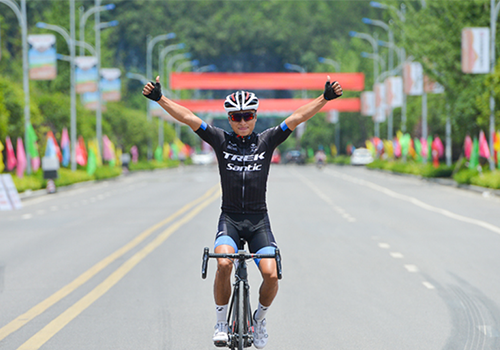
In hot weather, it is easy to fall into negative emotions, feeling helpless and frustrated that we cannot cope with the heat. No matter how much heat protection training you do, how many cold drinks you drink and how much water you replenish, it's hard to resist the lamentation deep inside. What you say to yourself in hot weather, whether before, during or after your ride, can have a powerful impact on your performance and, in the long run, on how you feel about riding in the heat. Telling yourself or others that you can't stand the heat will only reinforce your belief that you don't perform well in hot weather.
However, this negative mindset only makes us more exhausted and powerless. Instead, if we can develop trust in our own resilience and preparedness, while resisting negative heat thinking, we can better meet the challenges of the heat and make greater progress.
If you describe your feelings about cycling in hot weather in romantic terms, e.g., "I'm crossing rice field after rice field on this hot summer day, feeling the embrace of the sun and breathing in the fresh air. In this moment, I felt so small and yet so great." Such descriptions will make a difference in how you feel about the ride.
It's not that the challenge of the heat isn't important; riding in hot weather is mentally challenging because you're pushing your physical limits. However, it's all too easy to lock yourself into the mindset that you can't handle the heat and that it's just an unnecessary mental limitation. Developing trust in your ability to adapt and prepare for the summer heat, while resisting negative heat thinking, will allow you to make great progress.
Let's use romantic language to describe how we feel about riding in hot weather, filling our hearts with love and beauty and enjoying this close encounter with nature. At the same time, you should also pay attention to keep a positive mindset and believe that you can overcome difficulties and meet challenges to achieve better results.