
1. Almost upright posture
Unlike road bikes that require a fully forward leaning position, on a top hardtail mountain bikes your back is almost straight and in most cases you only need to lean slightly forward. Unlike the bent handlebars of a road bike, bend your arms slightly and grab the end of the flat handlebars to adjust your posture.
2. Weight your feet hard
When your entire body weight is balanced on your feet, the weight will be distributed in a 40/60 ratio on your front and rear wheels respectively. Your bike is designed in such a way that the position can better correspond to bumps and maintain balance.
So how do you know you are perfectly balanced? Check your hands.
1) If you feel like your fingers are being pulled, you're leaning too far back.
2) If you feel your palms are being pushed, you are leaning too far forward.
3) If your hands feel very light, then your balance is perfect.
3. Hip hinge
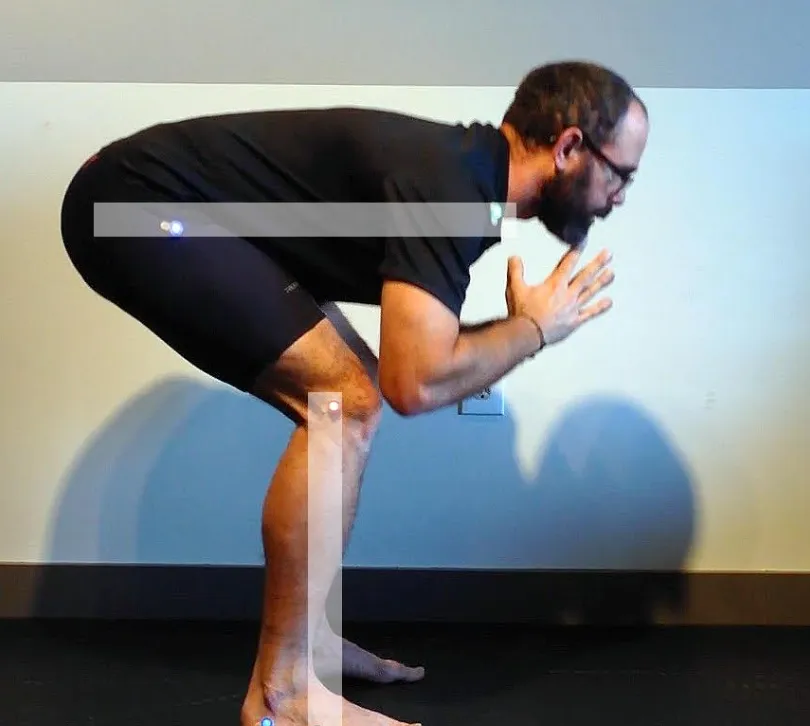
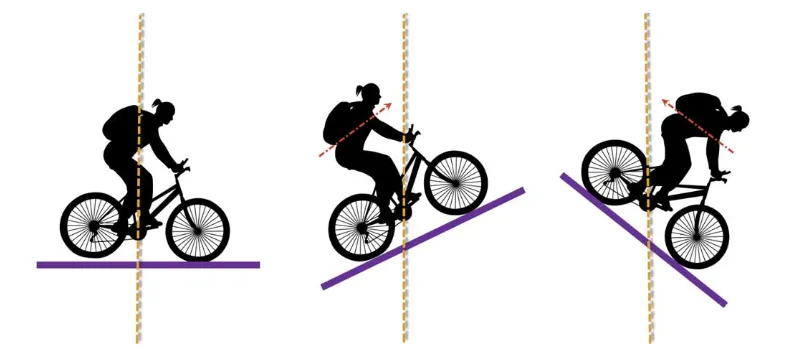
When you put your hips back and fold your torso so that your shoulders are forward and down, this movement is generally known as hip hinge, and it is the best movement to master on a mountain bike. The lower you lower your shoulders, the more range of motion you'll have when braking, turning and descending; conversely, if you lift your shoulders too high, you'll head down the hill uncontrollably like a bowling ball. So try to lower your shoulders every time you go downhill and do some more training, and your shoulders will become flexible. When you're going downhill, put your shoulders as low as possible so you can push the bike away from you; when your bike is going uphill, stand up straight so you can pull the bike over.
4. Hips backwards
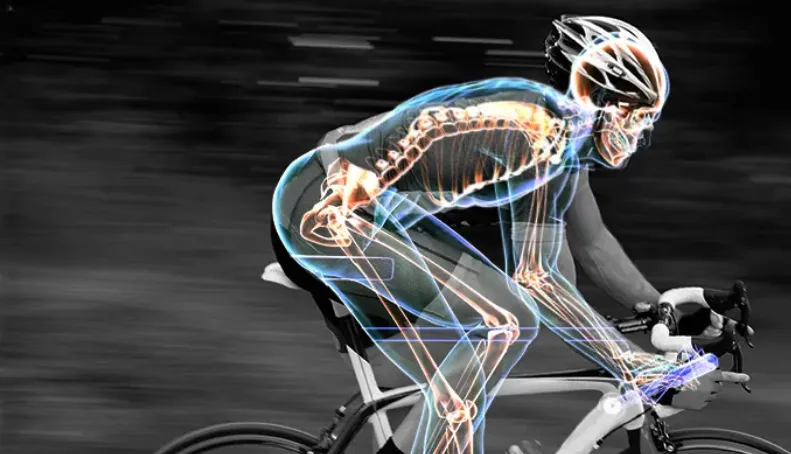
When you push your hips back, it folds your torso up, which increases the range of motion of your arms, and that's when you'll be able to gluteus maximus and hamstrings to support your weight instead of using your quads. Next time your quads start pushing hard on the downhill, push your hips back to prevent overstressing your quads. If you don't feel hamstring tension, that means your hips aren't far enough apart. Try to keep your hips back while maintaining balance.
5. Lighten the hand force
At a higher level, we want our hands to be light and strong. When the bike goes through a concave surface (through a hole, up), we actively pull on the bars; when the bike goes through a convex surface (over a rock, down), we push on the bars. This, combined with riding light/heavy with your legs, makes for a very fluid ride over rough terrain.
Also, carrying the right riding bag while riding can improve our riding posture. If you carry an unsuitable bag, the backpack presses against the rider's body and the rider carries uncomfortably, which can lead to an unconscious distortion of the rider's posture, so it is best to use a special bag.