
In this post:
1, How to choose a reliable bicycle supplier?
2. What size mountain bike for adults?
3. Are mountain bikes good for commuting?
4. Is it harder to ride a mountain bike or a road bike?
5.Are mountain bikes good for everyday use?
6.Should I get a mountain bike or a fat bike?
How to choose a reliable bicycle supplier?
Bicycles are a great mode of transportation and leisure activity. Whether you are a casual cyclist or a hardcore cycling enthusiast, having a reliable bicycle is essential. As a seller or dealer of bicycles, the choice of a reliable supplier is key to your success. With numerous bicycle suppliers in the market, choosing the right one can be a daunting task. This article provides a guide on how to choose a reliable bicycle supplier.
1. Quality of Bicycles
The first factor to consider when choosing a reliable bicycle supplier is the quality of bikes. The supplier should offer high-quality bicycles that meet the industry standards. Low-quality bicycles can have safety issues, which can lead to lawsuits and tarnish your reputation as a dealer. Before engaging any supplier, it's important to assess the quality of bicycles they offer. This can be done through research, talking to other dealers who have used the supplier, and even testing the bicycles yourself.
2. Range of Bicycles
A reliable bicycle supplier should offer a broad range of bicycles to cater to the needs of different customers. The supplier should have a variety of models that cater to different target markets. For example, if you target children, the supplier should have a range of children's bikes. If you cater to the high-end market, the supplier should offer high-end bicycles. Customers like options, and having a supplier with a broad range of bicycles helps in satisfying customer needs.

3. Price
Price is always a critical factor when making a purchase decision. A reliable bicycle supplier should offer competitive prices that are fair to you as a dealer and also attract customers. However, low prices should not be the only factor to consider. It's essential to ensure that the bikes are of high quality and within the industry standards. A reliable supplier should have transparent pricing policies that are clear and easy to understand.
4. Delivery Time
A reliable bicycle supplier should have a fast delivery time. Customers dislike delays, and if you can't deliver bicycles on time, you risk losing customers. The supplier should have clear and concise delivery times that they can adhere to. You should also assess the supplier's delivery system to ensure that it's efficient and reliable.
5. Reputation
When choosing a reliable bicycle supplier, reputation matters. The supplier should have a good track record of supplying high-quality bicycles. You can assess a supplier's reputation by researching online reviews on their website and social media pages. You can also ask other dealers who have used the supplier for their feedback. A supplier with a good reputation is more likely to be reliable and trustworthy.
6. After Sales Services
A reliable bicycle supplier should have after-sale services, such as warranties and repair services. This shows that the supplier has confidence in their products and is ready to stand by them. The supplier should offer warranties that cover any defects or damages that may occur. The supplier should also have repair services that cater to any issues that may arise after the sale.
In conclusion, choosing a reliable bicycle supplier can be a critical decision for your business. The supplier you choose will have a significant impact on the success of your business. When choosing a supplier, you should assess factors such as quality of bikes, range of bicycles, price, delivery time, reputation, and after-sales services. With these factors in mind, you can be assured of choosing a reliable bicycle supplier that will help you grow your business.
What size mountain bike for adults?
When it comes to finding the right mountain bike for adults, one of the most important considerations is the size of the bike. Riding a bike that is too small or too large can not only be uncomfortable, but it can also compromise your safety.
Here are some tips to help you determine what size mountain bike is right for you:
1. Use a Bike Sizing Chart
The easiest way to get a rough idea of what size bike you need is by using a bike sizing chart. These charts take into account your height and inseam measurement to give you an approximate size range. While this is a good starting point, keep in mind that different brands and models may fit differently.
2. Consider Your Riding Style
What type of riding will you be doing? Different styles of bikes are designed with different riding positions and handlebar heights. For example, if you are planning on doing more aggressive downhill riding, you may want a bike that is slightly smaller to help you maneuver quickly. On the other hand, if you plan on doing more long-distance rides, you may want a bike that is slightly larger for added comfort.

3. Test Ride Different Sizes
Ultimately, the best way to determine the right size bike for you is by test riding different sizes. Most bike shops offer test rides or demo days where you can try out different makes and models. When test riding, pay attention to how comfortable you feel on the bike and how well you are able to control it.
4. Get a Professional Fitting
If you are serious about finding the perfect size bike for you, consider getting a professional fitting. A bike fitting analyzes your body's measurements and flexibility to determine the best size and setup for your bike. While this option may be more expensive, it can help prevent injury and ensure a more enjoyable riding experience.
In conclusion, finding the right size mountain bike for adults is crucial to your comfort and safety while riding. By using a bike sizing chart, considering your riding style, test riding different sizes, and getting a professional fitting, you can find your perfect match and enjoy the freedom and fun of mountain biking. Happy trails!
Are mountain bikes good for commuting?
Mountain bikes have long been a popular choice for off-road riding. With their sturdy frames, wide tires, and powerful brakes, they can handle tough terrain and provide a smooth ride over bumps and rocks. However, more and more people are also turning to mountain bikes for commuting. So, the question is: are mountain bikes good for commuting?
The short answer is yes, absolutely. Mountain bikes have a number of features that make them excellent choices for commuting. First of all, they are durable and reliable. This is essential for a bike that you are going to be using to get to work or school every day. You want a bike that won't let you down, and mountain bikes fit the bill. They can handle the wear and tear of daily use and are built to last.
Another advantage of mountain bikes for commuting is their versatility. They can handle a wide range of terrain, including steep hills and uneven roads. This makes them ideal for people who have to ride over rough roads or uneven terrain on their way to work. They can also handle different weather conditions, such as rain or snow, which is important if you live in an area with unpredictable weather.
Mountain bikes also have a number of features that make them comfortable for commuting. They have a more upright riding position than road bikes, which can be more comfortable for people who are commuting longer distances. They also have wider tires than road bikes, which provide more cushioning and stability. This can be important if you're riding over rough roads.
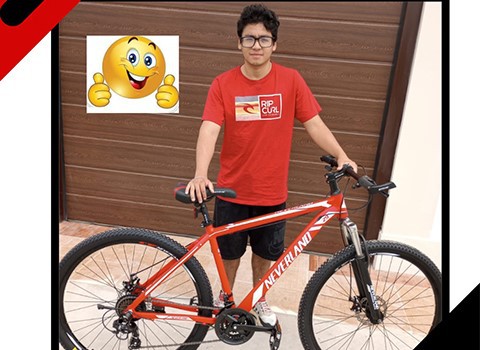
One of the best things about using a mountain bike for commuting is that you can use it for other purposes, too. You can take it off-road on weekends and explore nature, or hit the trails for a workout. This versatility makes it a great investment for anyone who wants a bike that can do it all.
Of course, there are some drawbacks to using a mountain bike for commuting. They are usually heavier than road bikes, which can make them more difficult to carry up stairs or maneuver in tight spaces. They also tend to be a bit slower than road bikes, which can be an issue if you're in a hurry. However, these drawbacks are minor compared to the benefits of using a mountain bike for commuting.
In conclusion, mountain bikes are an excellent choice for commuting. They are durable, versatile, and comfortable, and they can handle a wide range of terrain and weather conditions. They are also a great investment because they can be used for other purposes, too. So if you're looking for a reliable, all-purpose bike that can get you where you need to go, a mountain bike is definitely worth considering.
Is it harder to ride a mountain bike or a road bike?
As cycling gains popularity worldwide, many people wonder whether it is harder to ride a mountain bike or a road bike. Although both types of bikes have their unique characteristics, let us dive into a more comprehensive analysis of the skill levels required, terrain, and other factors that determine which bike is harder to ride.
Firstly, mountain biking involves a lot of technicalities that may make it more challenging to ride than road biking. When you are on a mountain bike, you are dealing with rugged terrain, steep inclines, and sharp turns. These factors require a lot of bike handling skills, physical strength, and mental focus. Additionally, mountain biking often involves riding on narrow trails, sometimes with loose gravel or rocks, that require precision and quick reflexes to navigate safely.
On the other hand, road biking is generally smoother and involves going up and down milder slopes at a more consistent pace. The roads you ride on are paved, and there are no obstacles or sudden surprises like tree roots, rocks, or narrow turns. Road biking also requires some skills, such as drafting, pace-setting, and holding an aerodynamic position. However, the skills required for road cycling are generally less technical than those needed for mountain biking.
Apart from the terrain, the type of bike you are using also plays a role in how hard it is to ride. Mountain bikes are generally heavier, bulkier, and have wider tires than road bikes. This means that they require more effort to accelerate, climb hills, and ride fast on paved roads. However, hardtail mountain bikes are designed to handle rough terrain better than road bikes, making them more versatile in terms of where you can ride.
Road bikes, on the other hand, are designed to be fast, efficient, and lightweight. They have narrow tires, lightweight frames, and minimal accessories, making them easier to handle on paved roads. This design makes them ideal for long-distance rides, cycling races, and endurance challenges.
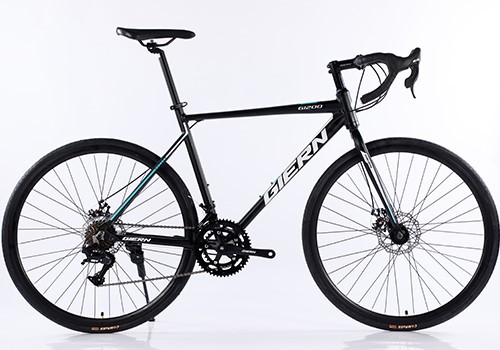
In summary, mountain biking and road biking require different skills, strengths, and techniques. Mountain biking can be more challenging due to the technicalities of the terrain, while road biking is usually faster and requires endurance. Ultimately, whether it is harder to ride a mountain bike or a road bike depends on personal preference, goals, and physical fitness. Whatever type of bike you choose to ride, remember to always wear proper gear, stay hydrated, and enjoy the ride!
Are mountain bikes good for everyday use?
Mountain bikes have always been associated with adventures, rugged terrains, and intense physical activities. However, many people are now questioning whether mountain bikes can also be a practical choice for everyday use. The answer is a resounding yes, as mountain bikes offer several advantages that make them ideal for daily commutes, casual rides, and other everyday uses.
Firstly, daily use mountain bikes are designed to be durable and sturdy, capable of withstanding tough terrains and harsh weather conditions. This makes them perfect for everyday use, especially when navigating rough roads, gravel paths, and even uneven sidewalks. The tough frame and thick tires of mountain bikes make them ideal for rough rides, ensuring that you arrive at your destination with ease.
Secondly, mountain bikes are very versatile and can be used for a wide range of activities. You can easily switch between cycling on the road and exploring mountain trails, making them an excellent choice for adventurers and casual riders alike. Additionally, mountain bikes often come equipped with features such as suspension systems and disc brakes, which provide extra support and make the ride smoother.
Another significant advantage of mountain bikes for everyday use is their relatively low maintenance requirements. Mountain bikes are designed to withstand harsh conditions, so they require minimal upkeep, making them an affordable and long-lasting option for daily use. Additionally, experts advise that regular checks and maintenance can prolong the life of your bike, and ensure it is always good to go.
Lastly, riding a right mountain bike can be a great way to stay healthy and fit. Cycling has been shown to have numerous physical and mental benefits, including boosting cardiovascular health, strengthening muscles, reducing stress, and improving mental wellbeing. By using a mountain bike for everyday use, you can incorporate physical activity into your daily routine in a fun and enjoyable way, without having to set aside extra time for exercise.
In conclusion, mountain bikes are an excellent choice for everyday use, offering durability, versatility, low maintenance costs, and numerous health benefits. Whether commuting to work, running errands, or exploring new areas, riding a mountain bike is an excellent way to make your daily routines more active, fun, and rewarding.
Should I get a mountain bike or a fat bike?
When it comes to deciding between a mountain bike and a fat tyre bike, many factors come into play. Both bikes have their unique advantages and disadvantages, which can make it difficult to choose one over the other. However, by understanding the differences between these two bikes, you can make a more informed decision.
Mountain bikes have been a popular choice for many years due to their versatility and ability to handle rough terrain. They typically have wider tires, front suspension, and a durable frame that can withstand the rigorous demands of off-road riding. Mountain bikes are perfect for those who love to explore the great outdoors and tackle challenging trails with ease.
On the other hand, fat bikes are designed specifically for riding on soft, unstable surfaces such as mud, sand, and snow. They have wider, low-pressure tires that provide excellent traction and stability in slippery conditions. Fat bikes are perfect for those looking to explore snow-covered trails or ride on the beach without the need for additional equipment like skis or surfboards.
So, which one should you choose? It ultimately depends on your personal preferences and the type of riding you want to do. If you're an avid mountain biker who loves to go on long rides on rough terrain, then a mountain bike is probably the right choice for you. If, however, you're looking for a bike that can handle soft, unstable surfaces, then a fat bike may be your best bet.
Here are some other factors to consider when deciding between a mountain bike and a fat bike:
1. Weight: Both mountain bikes and fat bikes tend to be heavier than traditional road bikes due to their wider tires and heavier frames. However, fat bikes are generally heavier than mountain bikes as they require more material to accommodate their wider tires.
2. Maintenance: Mountain bikes and fat bikes require regular maintenance to keep them in good condition. However, fat bikes are known to require more maintenance due to their wider tires, which can be more difficult to repair.
3. Cost: Both mountain bikes and fat bikes come in a range of prices. However, fat bikes tend to be more expensive than mountain bikes due to their specialized design and materials.
Overall, choosing between a mountain bike and a fat bike depends on your individual needs and preferences. If you're looking for a bike to ride on rough terrain and explore the great outdoors, then a mountain bike is probably your best choice. If you want a bike that can handle soft, unstable surfaces and provide excellent traction, then a fat bike is your best bet. Either way, both bikes offer many exciting advantages that can provide hours of fun and adventure.